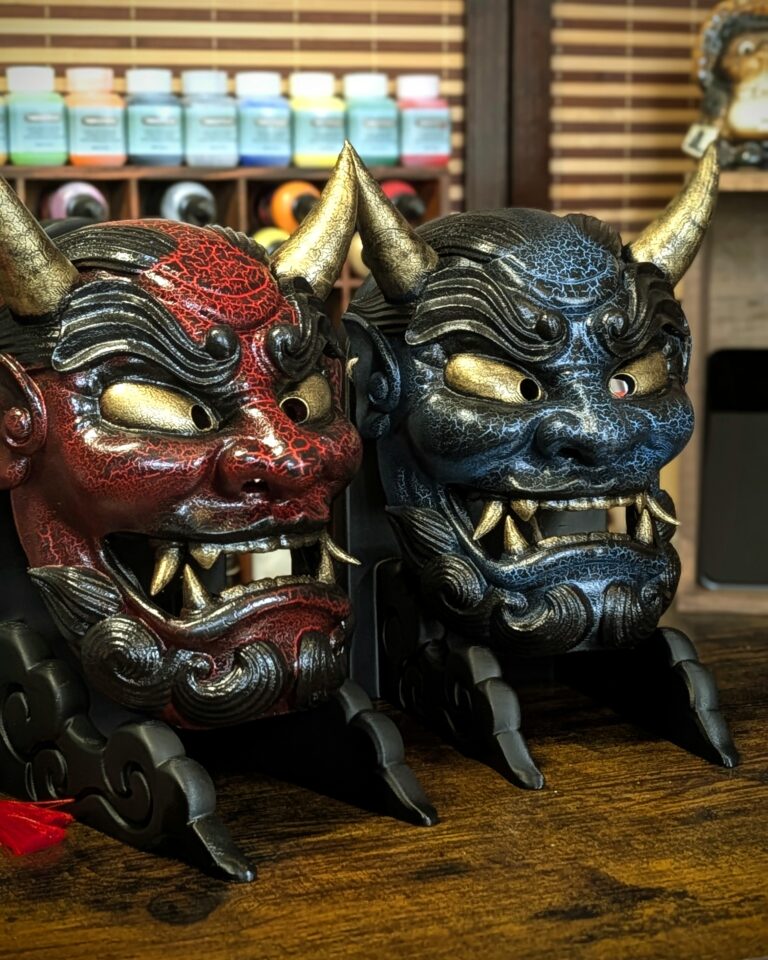
A yokai (妖怪) is a strange apparition from Japanese folklore. It might be an ogre, a shapeshifting fox, a ghost woman, an object that comes to life, or simply a presence you can't quite classify. It's a vast, shifting world, and this guide sets the basics: what a yokai is, what sets it apart from a kami and a yūrei, its great families, and where it comes from. For a quick version, there's also the top 10 Japanese yokai.
Not "demons" in the Western sense
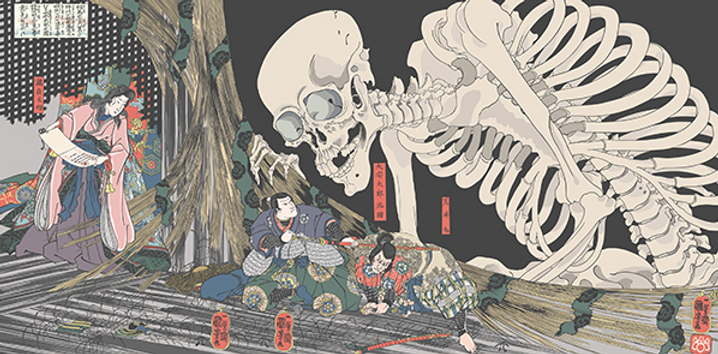
Yokai aren't demons as the West understands them, where a demon is evil by nature and opposed to God. The yokai escapes that binary. Some are terrifying, like the Gashadokuro, a fifteen-metre skeleton. Others are pranksters, like the Tanuki, the easy-living raccoon dog. Others bring luck, like the Zashiki-warashi, the child-spirit that enriches the houses it haunts. Most are simply ambivalent.
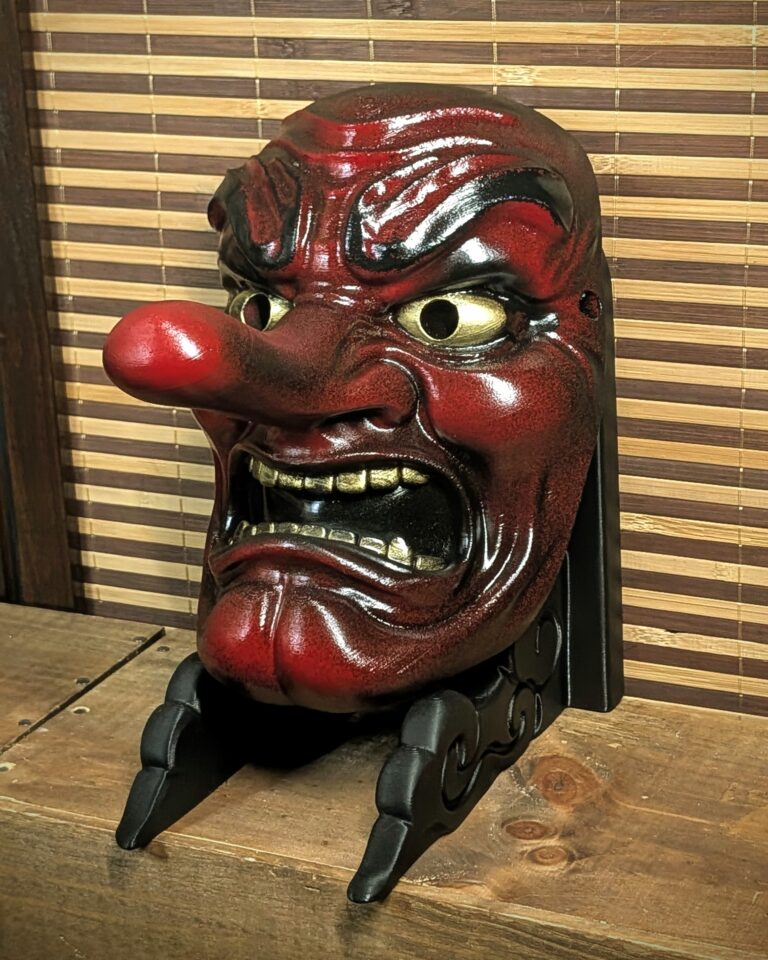
Originally, yokai explained the unexplainable. Why does the river drown a child? The Kappa pulled it under by the feet. Why do people get lost in the mountains? The Tengu leads them astray. Why does the house creak at night? The Yanari. They are the personified answer to the world's dangers and mysteries. That's also where the workshop's name comes from: "Dai" for Daitengu, the Great Tengu, and "Yokai" because that's the word everyone searches for.
Yokai, kami, yūrei: what's the difference?
This is the question that comes up most, and the answer is fuzzier than we'd like. The yokai is a supernatural creature, born of nature, of an ageing animal or a century-old object. You don't pray to it: you fear it, avoid it, sometimes bargain with it (cucumber offerings to the Kappa). The kami (神) is a Shinto deity worshipped at a shrine. The yūrei (幽霊) is a human ghost, the spirit of a dead person held back by regret, hatred or love.
| Type | Examples | Human relationship | |---|---|---| | Yokai | Oni, Kitsune, Tengu, Kappa, Jorōgumo | Feared, avoided or bargained with | | Kami | Amaterasu, Inari, Raijin, Fujin | Worshipped, prayed to, given a shrine | | Yūrei | Oiwa, Okiku, Sadako | Appeased by rites or fled |
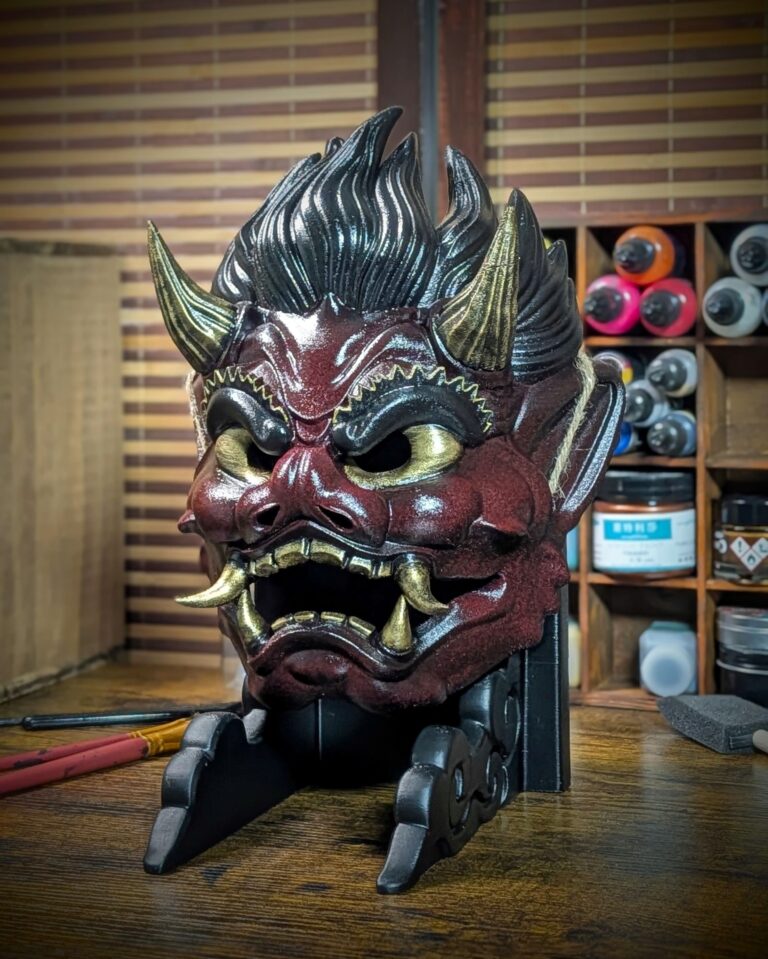
The line stays blurry. Raijin and Fujin look like Oni but they're kami. The Kitsune is a trickster yokai, and Inari's messenger when it protects the harvest. Same creature, two statuses depending on context.
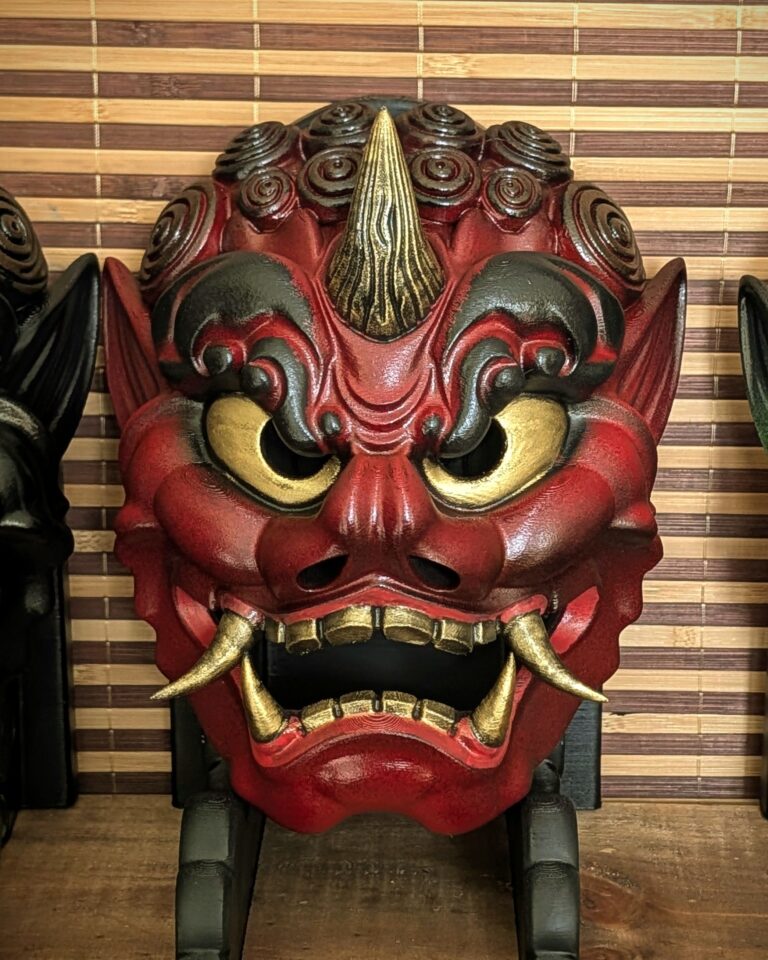
Where yokai come from
In the Heian period (794-1185), yokai live in the shadows and are genuinely feared: it's the age of great exorcisms and of monks carried off by Tengu. Everything changes in the Edo period. Printing spreads, and an artist, Toriyama Sekien (1712-1788), sets out to catalogue the monsters of oral folklore in illustrated encyclopedias. His Gazu Hyakki Yagyō ("Illustrated Night Parade of a Hundred Demons," 1776) gives a definitive face and name to hundreds of creatures. The yokai shifts from terror to entertainment. Without that Edo work, much of modern monster design, from Pokémon to Demon Slayer, wouldn't exist in this form.
The most famous image of the folklore is the Hyakki Yagyō, the "night parade of a hundred demons": on certain summer nights all the yokai march together through the streets, and the human who meets the procession vanishes. Only sunrise scatters that crowd of living parasols and one-eyed demons.
The great families
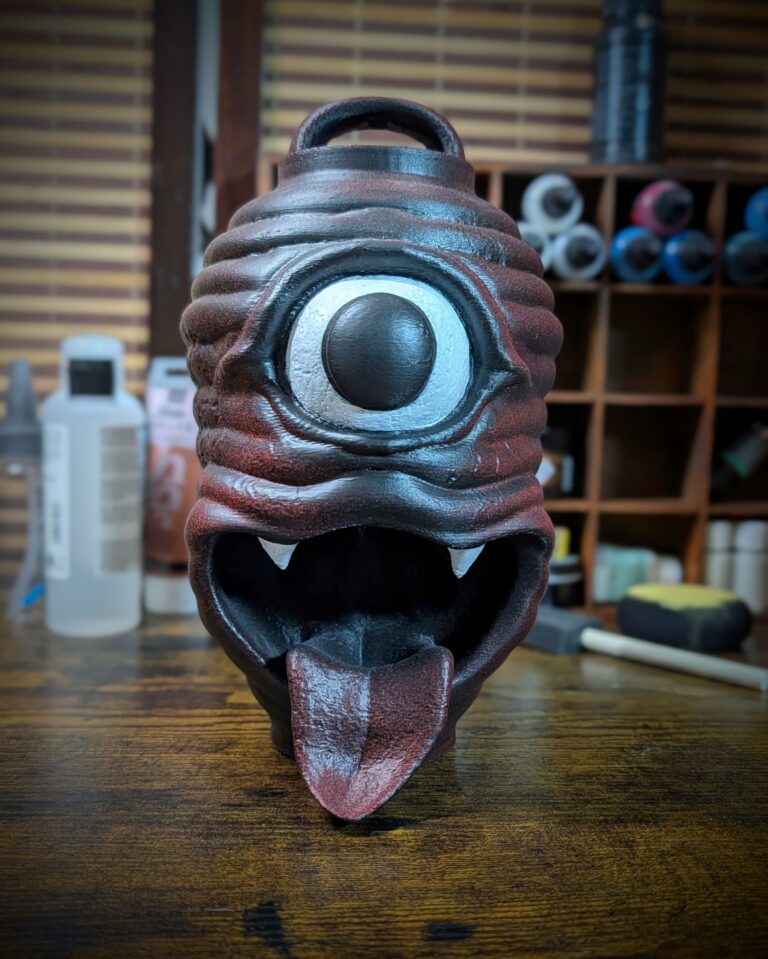
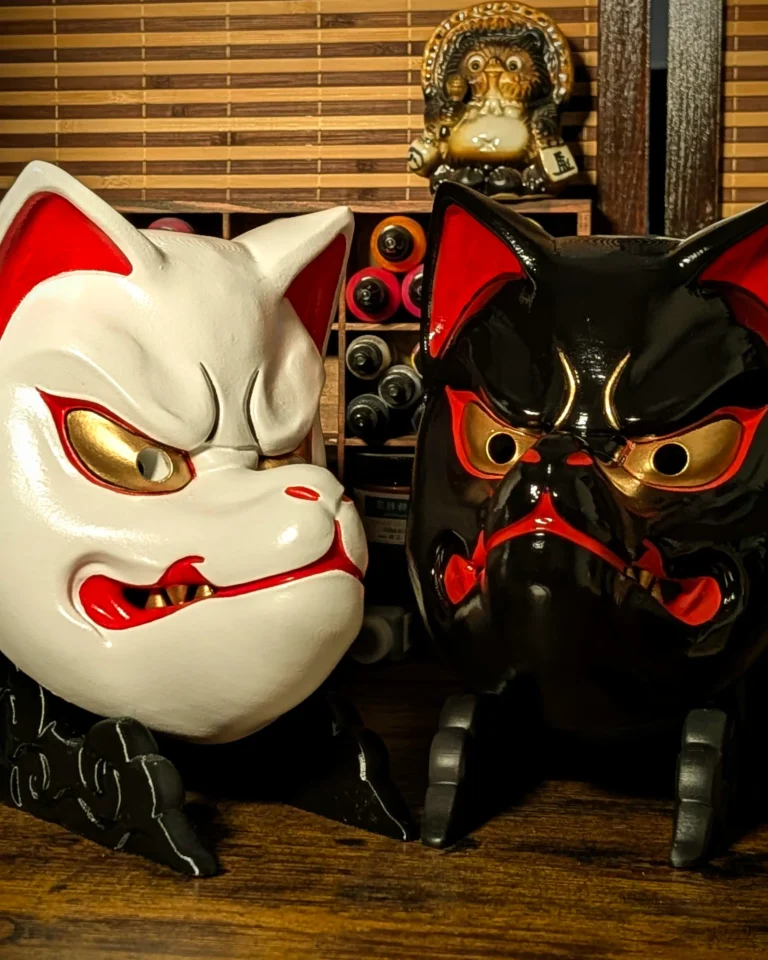
There are thousands of yokai, but a few families give the whole its shape. The Oni, the guardian ogres, brute force and horns (see the Oni guide). The henge, shapeshifting animals, Kitsune foxes, Tanuki, Bakeneko and Nekomata cats, that turn supernatural with age. The Tengu, mountain spirits, half-man half-bird (see the Tengu guide). The tsukumogami, century-old objects (a lantern, a parasol, a tool) that receive a soul, one of the folklore's most poetic ideas. And the spirits close to the human that have tipped over, like the Hannya, the Yuki-onna or the Kuchisake-onna.
FAQ
What is the difference between a yokai and a yūrei?
The yokai is a supernatural creature (animal, object or spirit transformed). The yūrei is a human ghost held between worlds by regret, hatred or love. A Kitsune is a yokai; Oiwa is a yūrei.
Are yokai evil?
Not by default. Some are terrifying (Gashadokuro, Jorōgumo), some pranksters (Tanuki, Kappa), some bring luck (Zashiki-warashi). Most are ambivalent. The yokai isn't "evil," it's the strange and the unexplainable.
Who gave yokai their faces?
Largely the Edo artist Toriyama Sekien (1712-1788), who catalogued them in illustrated encyclopedias like the Gazu Hyakki Yagyō (1776), fixing the look of hundreds of creatures known until then only through oral tradition.
Does a yokai mask bring bad luck?
In Japan, the opposite. An Oni mask facing the entrance is a protector that scares off evil spirits, on the same principle as the onigawara, the Oni-faced tiles that guard temple roofs. It's a guardian, not a curse.