
In Japan, even objects can become monsters. The Chōchin-obake (提灯お化け, "lantern ghost") is a paper lantern that comes to life: the paper splits into a wide mouth, a single eye appears, and a long tongue unrolls. Far from a terrifying demon, it's a prankster yokai, almost comic, but it illustrates a central idea of Japanese folklore: the things we use have a soul. Here's what the Chōchin-obake is and the tsukumogami belief behind it.
What is a Chōchin-obake?
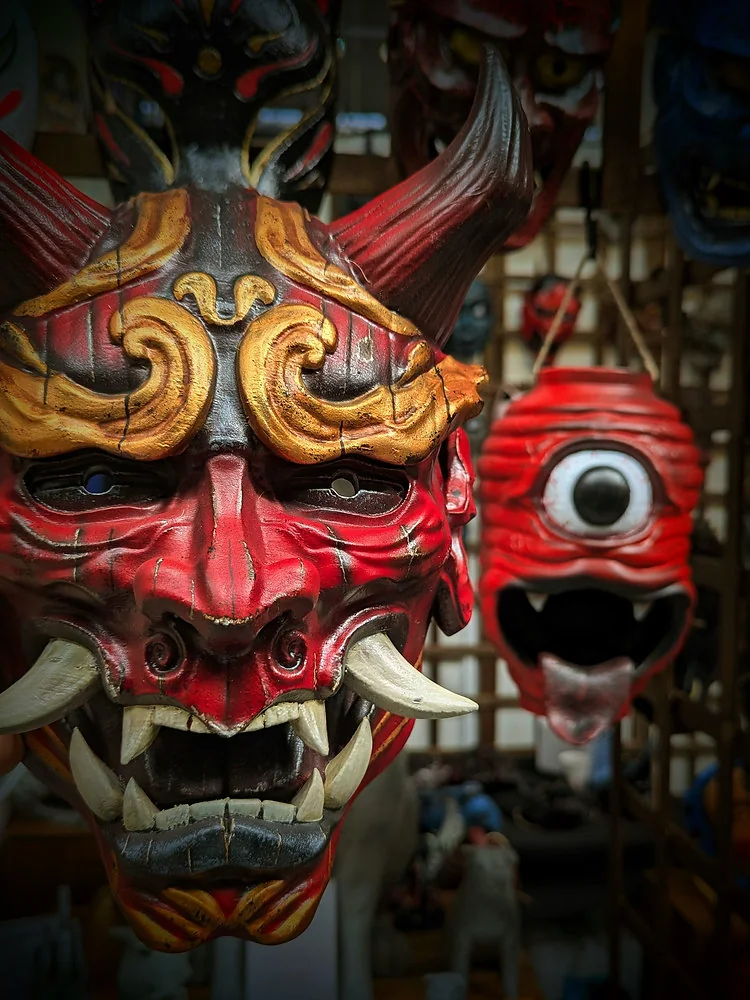
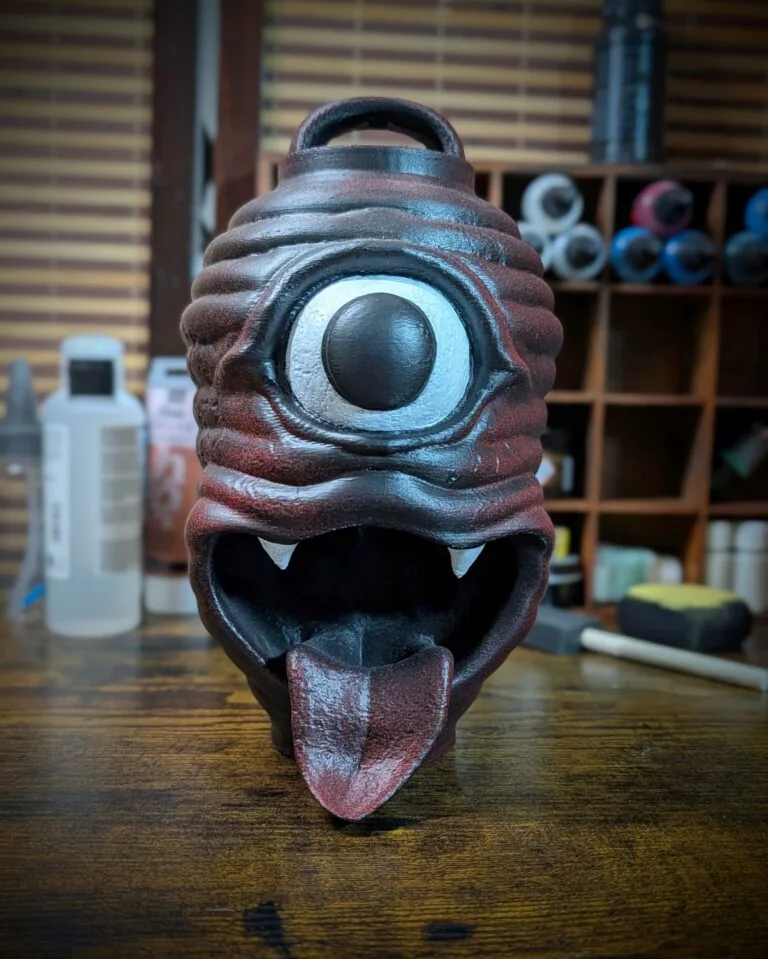
The Chōchin-obake is a traditional chōchin lantern, those lamps of paper stretched over a spiral bamboo frame, come alive. Its transformation is distinctive: the vertical split in the paper opens like a gaping mouth, a single eye (sometimes two) appears above it, and a red tongue hangs from the opening. It flies, spins, sticks out its tongue and rolls its eye to frighten passers-by, but stays a yokai of mischief rather than menace. It often turns up in haunted-house tales and in theatre, where its wobbly, grimacing silhouette made its little effect.
The tsukumogami: when objects gain a soul
The Chōchin-obake belongs to the family of tsukumogami (付喪神), objects turned yokai. The belief, popularised in the Muromachi period, holds that a tool or utensil reaching a hundred years of age gains a spirit and can come alive. Umbrella (the one-legged Kasa-obake), sandals, teapot, biwa, futon: almost any everyday object has its haunted version. Behind the idea lies a concrete moral: you must respect and maintain your possessions, not waste them or throw them away carelessly, or risk seeing them return, resentful. It's an ecological thought ahead of its time, rooted in respect for things.
Why an eye and a tongue?
This imagery is typical of tsukumogami, which borrow human traits from their existing parts. The paper slit becomes a mouth, the bamboo frame becomes a body, and the object suddenly expresses a personality, often a mocking one. The Chōchin-obake isn't built to terrify like a yūrei or a Gashadokuro, but to surprise and amuse. It's a yokai of evening gatherings and bedtime tales, a reminder that the line between the animate and inanimate is, in Japanese thought, far thinner than in the West.
The Chōchin-obake in culture
Its recognisable shape, round lantern, single eye, tongue out, has made it a favourite of prints, of yokai parades (hyakki yagyō, the "night parade of a hundred demons") and of modern popular culture, from video games to Obon and Halloween decorations. It's one of the easiest yokai to recognise and one of the friendliest, the opposite of the grudge creatures. Like all yokai, it says something about the Japanese view of the world: everything, even a simple lamp, can hold a spirit.
FAQ
What is a Chōchin-obake?
A traditional paper lantern (chōchin) turned yokai. Its slit opens into a mouth, a single eye appears and a long tongue hangs out. It's a prankster spirit more than a dangerous demon.
What is a tsukumogami?
An everyday object turned yokai. Belief holds that a tool reaching a hundred years gains a soul and can come alive. The Chōchin-obake (lantern) and the Kasa-obake (umbrella) are the best-known examples.
Is the Chōchin-obake dangerous?
No, it's a yokai of mischief. It flies, sticks out its tongue and rolls its eye to startle, but causes no real harm, unlike grudge spirits such as the yūrei or the Gashadokuro.
Why did the Japanese believe objects come to life?
To remind people to respect and maintain their possessions. An object mistreated or thrown away carelessly could, by belief, return as a tsukumogami. It's a moral of care and not wasting.